Mother-in-Law As Mentor
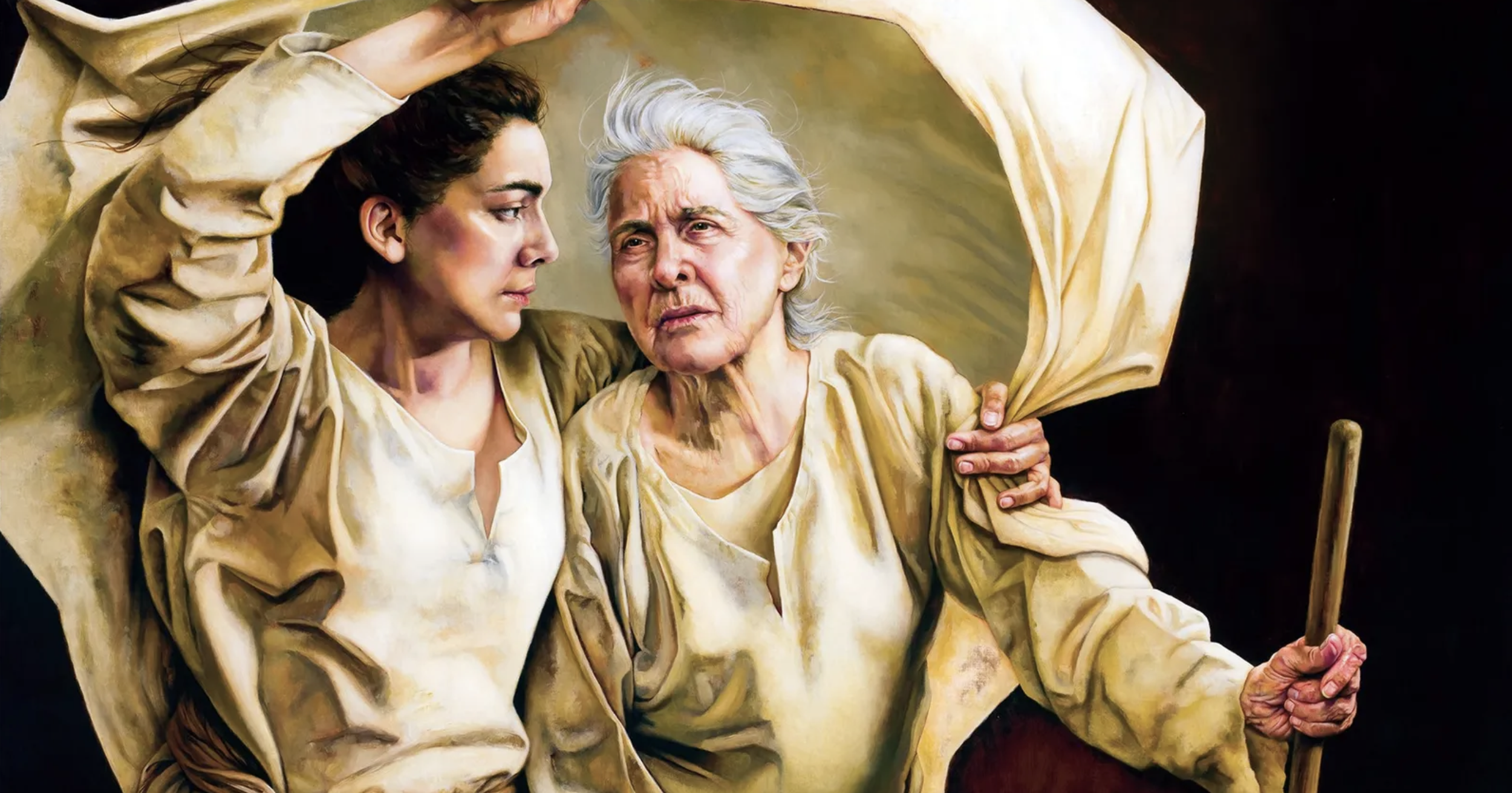
Whither Thou Goest, by Sandy Freckleton Gagon
Naomi, Mother-in-Law of Ruth
Though the book is named after Ruth, it is the strategic wisdom of her mother-in-law, Naomi, who is pivotal to the plot, leaving a lasting legacy.
Who was Naomi? Naomi was married and lived in Bethlehem before moving to Moab due to a famine. In Moab, her husband and two sons died, leaving her destitute. She returned to Bethlehem and asked to be called "Mara" (meaning bitter), believing God had afflicted her. Her daughter-in-law, Ruth, refused to leave her, showing immense loyalty ("Your people shall be my people, and your God my God" - Ruth 1:16). Naomi instructed Ruth on how to approach Boaz, a wealthy relative, to secure protection and livelihood, leading to their marriage. Naomi’s story ends joyfully as she becomes a nurse to Ruth and Boaz's son, Obed, who was the grandfather of King David.
Modern women can draw several powerful lessons from Naomi’s life, particularly regarding emotional honesty, resilience, and the power of mentorship.
1. The Value of Emotional Honesty
Naomi is one of the few biblical figures who openly expresses her grief and anger toward God. By asking to be called "Mara" (bitter), she teaches that:
It is healthy to acknowledge pain rather than "putting on a brave face."
Processing bitterness is often a necessary step toward eventual healing.
Authenticity in your struggle allows others to support you more effectively.
2. Navigating Career and Life Pivots
Naomi’s story is essentially one of a "forced pivot." She lost her security (husband), her future (sons), and her home.
Adaptability: She didn’t stay stuck in Moab; she assessed her reality, returning to her roots to start over.
Strategic Thinking: She didn't just hope for the best; she understood the legal and social systems of her time and used that knowledge to create a path forward for her and Ruth.
3. The Power of Intergenerational Mentorship
The bond between Naomi and Ruth is a masterclass in women supporting women.
Mutual Support: While Ruth provided the physical labor (gleaning in the fields), Naomi provided the strategic wisdom and "insider knowledge."
Investing in the Success of Others: Naomi’s restoration didn't come from her own marriage, but from her selfless investment in Ruth’s future. It teaches that helping the next generation succeed can be the very thing that brings joy back into your own life.
4. Redefining "Family" and Success
Naomi’s "win" at the end of her story looks different than she might have imagined.
Chosen Family: Her deepest bond was with a daughter-in-law from a different culture, proving that support systems can be found in unconventional places.
Legacy Over Immediate Results: She didn't live to see King David or the full impact of her lineage, reminding us that the seeds of our character and guidance today often grow into legacies we can't yet see.