Mothers of Wayward Children
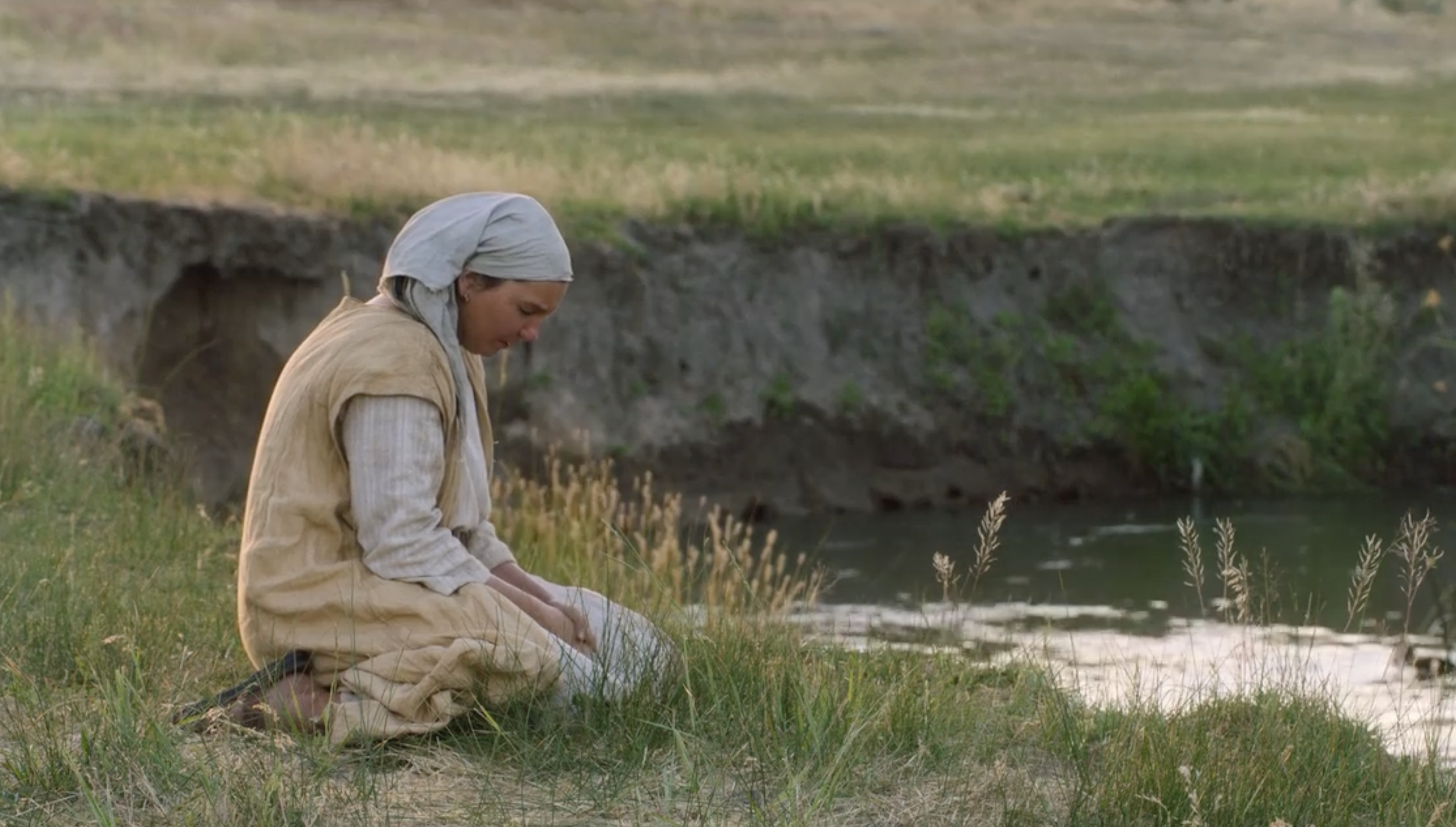
Sariah
Sariah, Mother of Laman and Lemuel
The same parents who teach their children to walk in righteousness can have children who heed that counsel, and children who rebel. The child’s agency will determine their path forward, and parents can choose to love them, while setting healthy boundaries, and embrace non-triggering topics as they build bridges together.
Who was Sariah? Sariah’s journey in the Book of Mormon offers a prototype for parents of hardened or wayward children. Despite the intense emotional and spiritual chaos caused by her older sons' choices, her life demonstrates that a mother can find peace and maintain her own spiritual integrity even when her children are in rebellion. The wife of Lehi and mother of Laman, Lemuel, Sam, Nephi, Jacob, and Joseph, she is portrayed as an active, vocal participant in her family's journey to the promised land. Though she initially murmured in grief when her sons were in danger, her story ultimately illustrates a transition to complete reliance on God and a strengthened testimony. Her eldest sons, Laman and Lemuel were the antagonists in the family. Known for their rebellion against their father and younger brother, Nephi, they often complained, lacked faith, and at times were violent. Their descendants founded the Lamanites, enemies of the Nephites.
Modern women can borrow many lessons from Sariah particularly regarding maintaining sanity in the storm, separating personal worth from children’s agency, and unconditional love. Sariah is a refreshingly human figure in the Book of Mormon. Unlike the mothers of the stripling warriors, who are often portrayed in a near-perfect light, Sariah’s story includes moments of fear, grief, and vocal frustration.
1. It’s Okay to Struggle with "Blind Faith"
When Sariah left Jerusalem, she left behind a comfortable home and financial security for a tent in the wilderness. When her sons were gone longer than expected on their mission to get the brass plates, she murmured against her husband, fearing they were dead (“For she had supposed that we had perished in the wilderness; and she also had complained against my father, telling him that he was a visionary man; saying: Behold thou hast led us forth from the land of our inheritance, and my sons are no more, and we perish in the wilderness.” 1 Nephi 5:2). Her faith is restored when when her sons return safely.
The Lesson: Modern women often feel pressure to have “perfect" faith. Sariah shows that it is natural to feel anxiety when your family is at risk or when life becomes uncomfortable.
2. Unconditional Love Amidst Grief
Sariah chose to love her children unconditionally, even while grieving over the actions of Laman and Lemuel. She continued to encourage and counsel them, reminding them of God’s protection regardless of their choices.
3. Managing Parental "Doubt" and Anguish
It is normal for parents of wayward children to experience anguish, fear, and moments where their confidence falters. Sariah’s momentary doubts when her sons were in danger did not disqualify her; instead, her eventual witness of God's protection fortified her faith for future trials. (“And she spake, saying: Now I know of a surety that the Lord hath commanded my husband to flee into the wilderness; yea, and I also know of a surety that the Lord hath protected my sons…” - 1 Nephi 5:8)
4. Separating Personal Worth from Children's Agency
A vital lesson from Sariah’s family is that children can grow up in the same household with the same "goodly parents" (“I, Nephi, having been born of goodly parents…” - 1 Nephi 1:1) and still choose different paths. Sariah shows that a parent's primary job is to love and nurture, while the course of a child's redemption ultimately rests with the Savior.
5. Maintaining "Sanity" in the Storm
Dealing with angry or defiant family members is depleting. Sariah’s example suggests that mothers must find places of peace and focus on their own relationship with God to avoid being consumed by the daily drama of a child's choices. Two words: healthy boundaries.